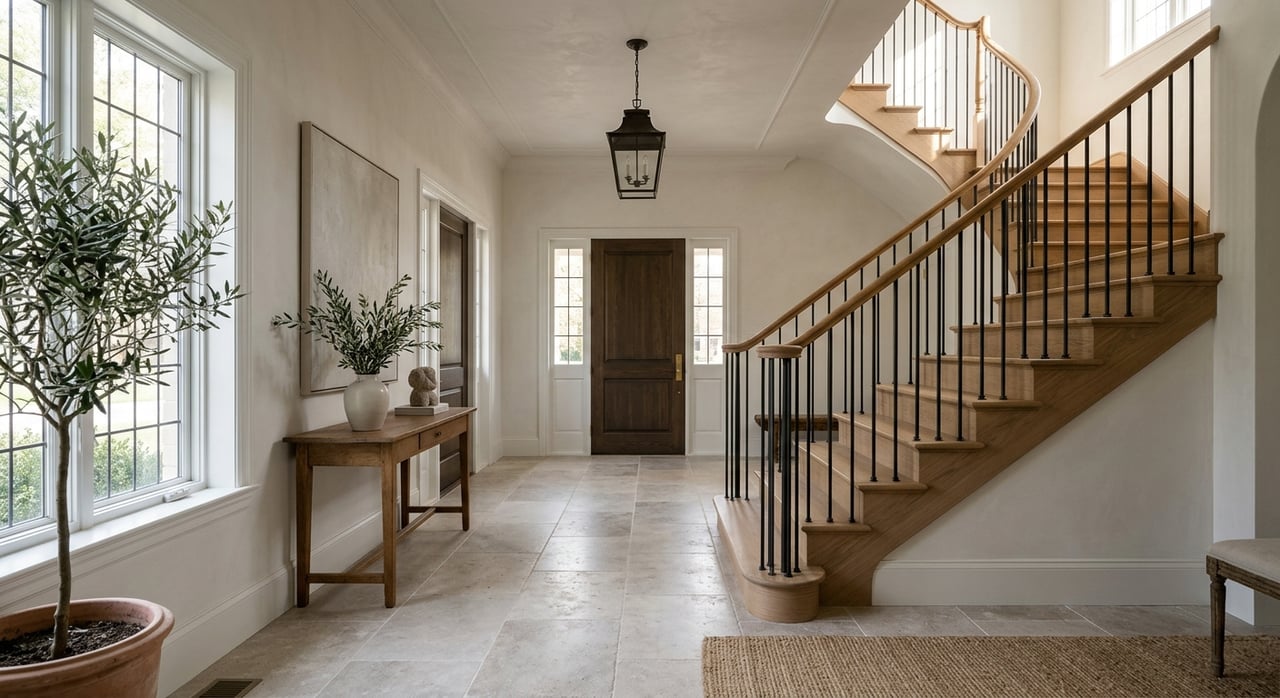
Moving to Kansas City Guide for First Housing Choices
July 9, 2026
July 9, 2026
Moving to Kansas City can feel exciting right up until the housing decisions start piling up. Should you rent first or buy right away? Which areas make daily life easier? How much do you really need to budget? If you are trying to make a smart first move without wasting time or money, this guide will help you focus on the decisions that matter most in your first 30 to 90 days. Let’s dive in.
Your first housing decision in Kansas City is not always about picking a home. Often, it is about picking the right approach while you learn how the city fits your routine.
Kansas City moves faster than many newcomers expect. Redfin reports a median sale price of $304,818, with homes spending about 23 days on market, while Zillow reports homes pending in around 7 days. That pace means it helps to narrow your search early instead of trying to compare the entire city at once.
If your commute, parking needs, or neighborhood preferences are still unclear, temporary housing or a short-term rental can give you breathing room. This is especially helpful in a city where prices and daily routines can change a lot from one area to another.
For many relocations, this is the biggest early question. The right answer depends less on a broad rule and more on how confident you feel about your commute, lifestyle, and budget.
A rent-first approach can make sense if you are still testing how often you will drive, whether you want transit access, and which part of Kansas City feels right for daily life. In a fast-moving market, that extra clarity can help you avoid making a rushed long-term choice.
A buy-first approach can work when you already know the city well, have a clear target area, and are financially ready to move quickly. If you plan to buy with financing, getting pre-approved before touring is especially important because some homes receive multiple offers and some sell above list price.
Renting first may be the better fit if:
Buying first may be more practical if:
One of the smartest first housing decisions is to stop thinking about Kansas City as one giant map. A better strategy is to compare neighborhoods that fit within the same commute band.
That matters because the city spans multiple counties, major highways, and several distinct living patterns. MoDOT lists major area roads including I-29, I-35, I-49, I-70, I-435, I-470, I-635, and I-670, while RideKC offers buses, MAX bus rapid transit, microtransit, and regional connections.
If you want an easier daily routine, ask yourself a few practical questions first. Will you mostly drive? Do you want to use the KC Streetcar? Will you rely on RideKC for part of your trip? Once you know that, your housing options become much easier to sort.
If you want a more walkable, car-light routine, Downtown, River Market, and Crossroads are the strongest starting points in the available local sources. Visit KC describes these areas as closely tied to the KC Streetcar corridor and urban amenities.
The KC Streetcar route is now 6.5 miles long and connects the Riverfront and River Market to the Country Club Plaza and UMKC, with more than 30 stops and long daily hours. The Main Street extension between Union Station and UMKC adds another 3.5 miles, and the Riverfront extension opened for passenger service on May 18, 2026.
Crossroads also stands out if you want an urban routine centered around galleries, restaurants, and breweries. If that style of living matters to you, this part of the city deserves an early look.
If you want a more residential feel while staying close to the urban core, Midtown, Plaza, Brookside, and Waldo are useful areas to compare side by side. Visit KC describes Midtown as the area between Crossroads and the Plaza, the Plaza as a major retail center, Brookside as a historic 1920s neighborhood, and Waldo as a lively south Kansas City district with a strong neighborhood identity.
These areas can feel very different in price, pace, and housing style. That is why comparing them within the same commute range is often more useful than comparing them to every part of Kansas City at once.
Citywide numbers are a helpful starting point, but they should not be your final budget guide. In Kansas City, the gap between broad averages is a reminder that neighborhood-level pricing matters.
Zillow reports a typical home value of $255,647, while Redfin reports a median sale price of $304,818. Those figures measure different things, but together they show why one headline number will not tell you enough about what your budget can buy.
In central Jackson County neighborhoods that often come up for newcomers, Zillow reports average home values of:
Rental snapshots also vary. Zillow reports average rents of $1,339 in 64111, $1,505 in 64112, and $1,626 in 64114.
Brookside-area 64113 and Waldo-area 64114 also go pending in around 3 days, which shows how quickly some central-city options can move. If those areas are on your list, you will want a clear plan before inventory appears.
Your first home in Kansas City should support the way you actually live. That means your daily pattern matters just as much as square footage or list price.
If you want easy access to transit, restaurants, and a more urban pace, the Downtown, River Market, and Crossroads group may fit best. If you want a more residential setting while staying connected to central Kansas City, Midtown, Plaza, Brookside, and Waldo are better comparison points.
This is also where parking, travel time, and convenience come into play. A place that looks perfect online may feel less practical once you test the route to work, errands, or favorite weekend spots.
Kansas City offers several local resources that can help you make a more informed choice. These tools are especially useful when you are trying to understand neighborhood context beyond a listing description.
The city maintains Neighborhood Services, neighborhood planning pages, and the Neighborhood Direct registry for neighborhood associations and local livability issues. Those resources can help you learn how an area is organized and what is happening nearby.
For transportation, RideKC’s trip-planning tools and real-time map can help you test commute assumptions before you sign a lease or make an offer. That small step can save you from choosing a home that looks convenient but does not work well day to day.
If you are feeling pulled in too many directions, keep your first housing strategy simple. Focus on sequence before speed.
Start with these steps:
This kind of plan helps you make a confident decision without trying to solve every question at once.
Kansas City offers very different living experiences within a relatively short distance, which is part of what makes the city appealing. The key is to choose your first home based on how you want your days to work, not just which listing appears first.
If you are weighing where to start, the right guidance can make the process feel much more manageable. For a principal-led, tailored conversation about your move, connect with Tiffany Dow.
Stay up to date on the latest real estate trends.



At the Paulson-Dow Group, our clients come first. We provide honest, professional service grounded in integrity every step of the way. Let’s partner together today!