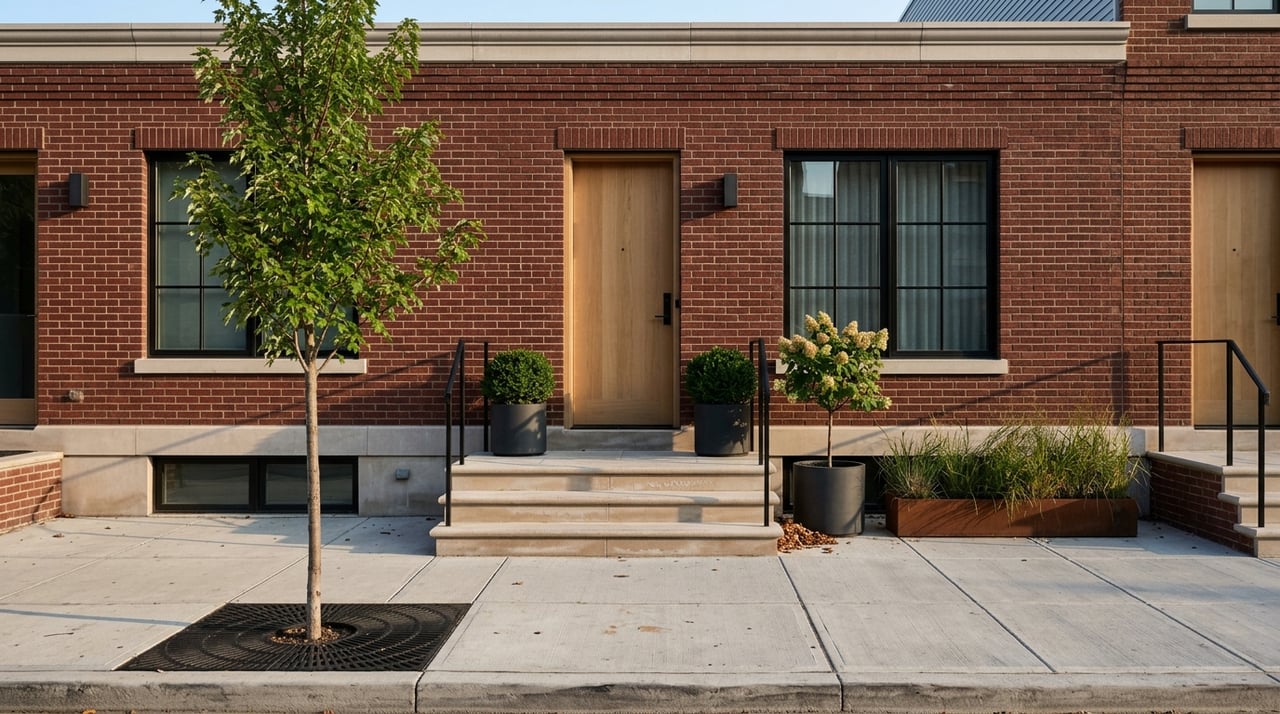
Explore Kansas City's Urban Neighborhood Lifestyle
May 21, 2026
May 21, 2026
Looking for an urban lifestyle in Kansas City can feel surprisingly tricky because the city’s core is not just one downtown grid. Instead, it’s a connected set of districts, each with its own rhythm, amenities, and daily routine. If you want to picture what life could actually feel like here, this guide will help you compare the neighborhoods that shape urban living in Kansas City. Let’s dive in.
Kansas City’s urban core is best understood as a chain of connected neighborhoods rather than one single center. That matters when you are choosing where to live, because your day-to-day experience may depend less on your exact address and more on what you can reach easily.
In practical terms, urban living here often means access to a mix of coffee shops, dining, entertainment, errands, and transit across nearby districts. Neighborhoods like River Market, Crossroads, Downtown, Westport, Midtown, Southmoreland, and the Plaza corridor each offer a slightly different version of city life.
A major piece of that connection is the KC Streetcar. It is free to ride, runs seven days a week, and links riders to RideKC bus routes, RideKC Bike hubs, and Amtrak. The Main Street extension also serves Union Hill, Westport, Southmoreland, the Plaza, and UMKC, while the Riverfront Extension is scheduled to open on May 18, 2026.
If you want an urban neighborhood that feels practical and lively, River Market stands out. It combines historic character with a highly convenient routine, especially for buyers who want errands, dining, and transit close at hand.
River Market is a 150-year-old riverfront neighborhood on the free streetcar route. It includes restaurants, coffee shops, antiques, and attractions like the Arabia Steamboat Museum, but its biggest lifestyle anchor is City Market.
City Market runs every Saturday and Sunday year-round and features more than 140 stalls with produce, flowers, baked goods, and local wares. That gives River Market a built-in weekly rhythm that can make daily life feel both walkable and social.
River Market can be a strong fit if you want a car-light lifestyle with easy access to basics and local experiences. You can picture market mornings, coffee runs, casual dinners, and quick streetcar trips into other parts of the urban core.
For many buyers, this is one of the clearest examples of urban Kansas City living that feels usable every day, not just exciting on weekends.
Crossroads offers one of the most distinct lifestyles in Kansas City’s urban core. If you are drawn to galleries, murals, live music, and creative energy, this district has a strong identity.
The neighborhood is known for First Fridays, one of the nation’s largest free art crawls, with more than 70 shops and galleries spread across a 20-block area. Beyond that signature event, Crossroads includes breweries, dining choices, public art, and a steady cultural presence throughout the week.
The Kauffman Center for the Performing Arts gives the district an important anchor. That adds another layer to the area’s appeal for buyers who want a neighborhood where arts and hospitality feel woven into everyday life.
Crossroads may be the right match if you picture evenings built around performances, gallery visits, restaurants, and city energy. It tends to work well for buyers who want culture close to home and like the idea of being in a district that feels active and expressive.
If your version of city living includes concerts, major events, sports nights, and a lively evening scene, Downtown and the Power & Light district deserve a close look. This part of the urban core feels especially active when the calendar is full.
Power & Light is a nine-block district that links the Convention Center and T-Mobile Center. It is home to more than 50 restaurants, bars, entertainment venues, and retail outlets, which creates a concentrated nightlife and dining environment.
That density gives the area a strong event-night feel. For some buyers, that is exactly the draw. For others, it helps define whether they want to live in the middle of the action or nearby with quick access.
Downtown living can support a convenient, connected routine, especially if you want to be near transit and major venues. At the same time, it is worth thinking about how often you want that level of activity right outside your door.
Kansas City also offers flexibility here. The urban core has approximately 40,000 parking spaces, so residents can often blend transit access with car ownership more easily than in some denser cities.
Not every buyer wants the most intense version of downtown living. Westport, Midtown, and the Country Club Plaza offer a more layered experience that still feels central and lively, but often with a stronger neighborhood feel.
Westport is described as historic and tree-lined, with a setting that works well for long walks, brunch, live music, and late-night destinations. That combination can appeal if you want energy without feeling like you live in an event district.
Midtown covers the broad area between Crossroads and the Plaza. It is known for creative venues and culinary destinations on virtually every block, along with theaters, coffee shops, and art institutions nearby.
The Plaza adds a polished retail-and-dining setting across 15 city blocks of Spanish-inspired architecture. It also includes dozens of fountains and convenient access to the Nelson-Atkins Museum of Art and the Kemper Museum of Contemporary Art.
These neighborhoods are often good options if you want urban access with a little more variety in atmosphere. Westport leans social and historic, Midtown feels broad and creative, and the Plaza offers a more refined shopping-and-dining environment.
Rather than asking which one is best, it is usually more helpful to ask which daily routine fits you best.
Urban living in Kansas City is not only about restaurants and nightlife. One of the more pleasant surprises for many buyers is how much outdoor time can still fit into a city-centered routine.
Berkley Riverfront is described as an urban oasis with a two-mile trail, local eats, public transit access, murals, and an urban boulder. That makes it a useful example of how riverfront access can shape an active lifestyle near the core.
The Riverfront Heritage Trail adds another layer. It is a 15-mile bicycle and pedestrian pathway lined with art and historical signage, and Berkley Riverfront includes almost one mile of that system.
If your ideal week includes walking, running, cycling, or simply having outdoor space nearby, the riverfront areas may deserve a closer look. They add flexibility to urban life and can make the city feel more balanced day to day.
The best urban neighborhood for you depends on your routine more than any ranking list. Kansas City’s connected districts make it possible to prioritize different lifestyle goals while staying tied into the same broader urban core.
Here is a simple way to think about the fit:
For many buyers, the streetcar is a key part of that decision. The most transit-oriented lifestyle is easiest to picture in River Market, Downtown, Crossroads, Union Hill, Midtown, Westport, Southmoreland, and the Plaza corridor because those areas sit on the route or cluster around its stops.
If you are comparing urban neighborhoods in Kansas City, it helps to think beyond labels and focus on how you actually want to spend your mornings, evenings, and weekends. If you want help matching your lifestyle goals to the right part of the city, Tiffany Dow can guide you with a thoughtful, neighborhood-focused approach.
Stay up to date on the latest real estate trends.
At the Paulson-Dow Group, our clients come first. We provide honest, professional service grounded in integrity every step of the way. Let’s partner together today!